New Fairfield Marina Project
Chain-to-elastic conversion
Project Overview
Category: Marinas & Floating Infrastructure
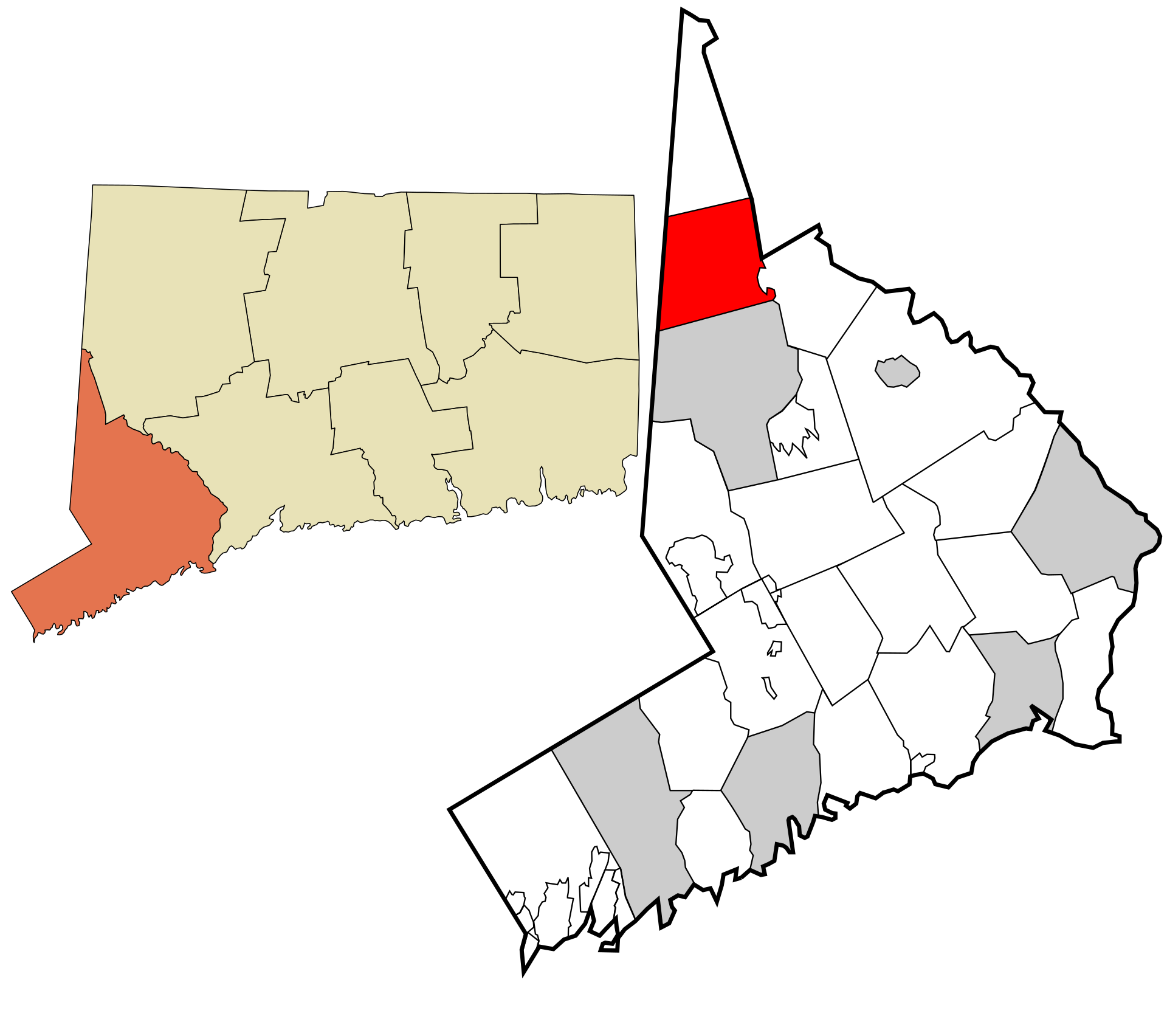
Location: New Fairfield, CT, USA
Type of Project: Marina
Products Used: Hazelett Elastic Mooring Systems + anchors
Publicly Identified System: Hazelett DockMaster elastic mooring systems + Helix helical anchors
Details of Installation: Conversion from an aging chain-and-block dock mooring layout to a pre-tensioned elastic mooring arrangement intended to reduce dock wear and lifecycle cost.
Challenges Overcome: Chain system instability, dock wander, shock loading, and maintenance burden associated with traditional chain moorings.
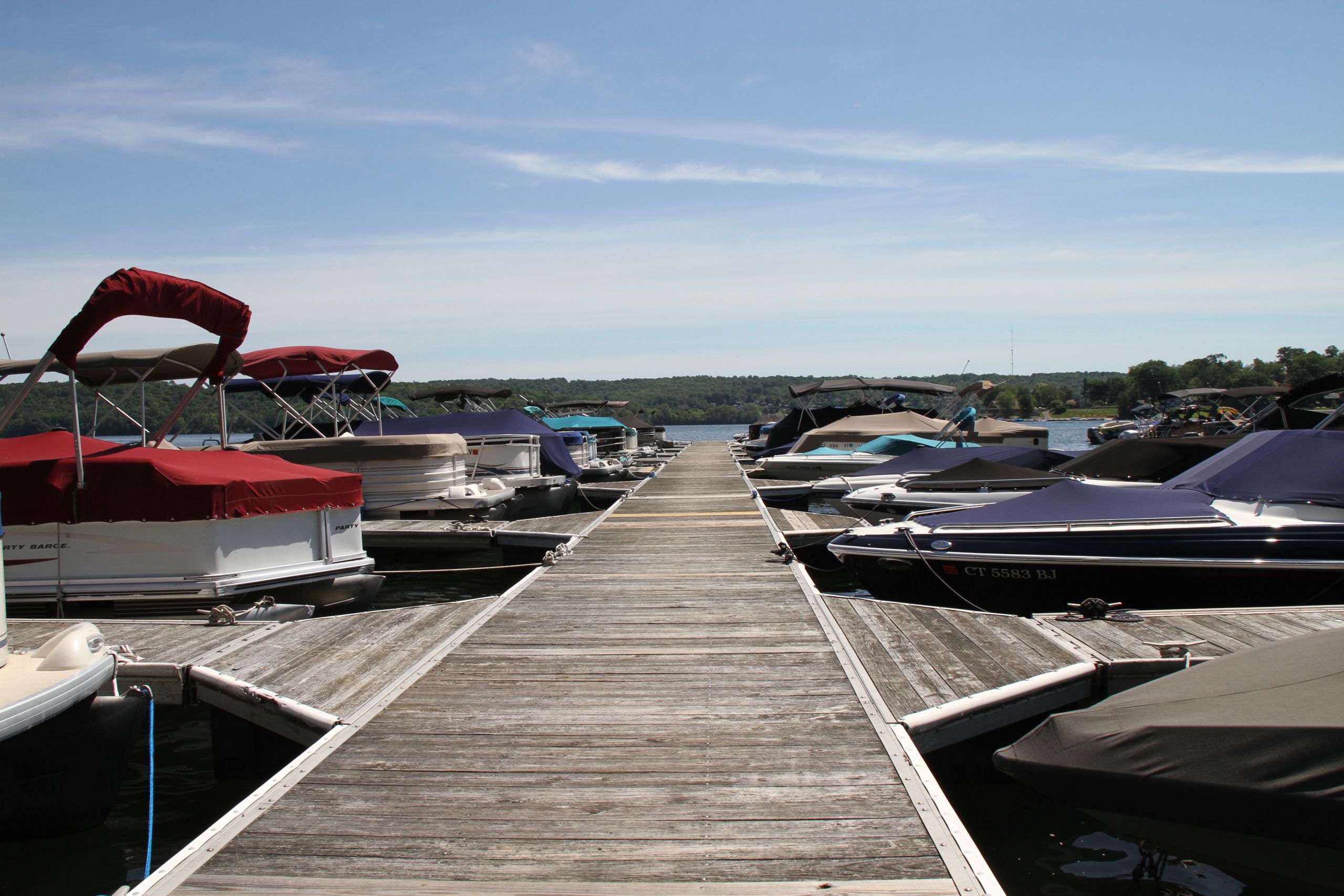
The New Fairfield Marina project is a technically important marina retrofit because it was not a simple dock replacement. Public trade coverage and Hazelett’s own project write-up identify the site as the New Fairfield Town Marina on Candlewood Lake, where an aging chain-and-block mooring system was replaced with Hazelett elastic moorings. Marina Dock Age described the facility as a 156-berth marina, while the current Town of New Fairfield parks page lists 150 annual slips, which together indicate a substantial public marina rather than a small private dock field. That scale matters because instability in a chain-based system multiplies across every connection point, anchor leg, and dock section.
Technically, the core problem behind the New Fairfield Marina project was chain system instability. Traditional chain moorings can allow a floating dock to wander when the line loses effective tension, then transfer a sharp snatch load back into the dock structure when the chain comes taut again. Hazelett’s DockMaster literature describes this failure mode directly: chain-anchored floating structures can wander when water level drops and then jerk violently as loads build. For a public marina on Candlewood Lake, that kind of motion translates into higher stresses at dock-to-line and line-to-anchor connections, faster wear at metal contact points, more uncomfortable dock motion for users, and more maintenance labor over time.
The New Fairfield Marina project addressed that problem by converting the marina to an elastic, pre-tensioned mooring layout. Hazelett says the DockMaster system is typically installed under pre-tension so that loads are shared throughout the mooring lines instead of concentrating at one windward connection. Product literature for the DockMaster family states that one rode provides 6.5 kN of force at 80% stretch, that systems can be configured with up to 12 rodes, and that paired double and triple 3 meter assemblies provide published working loads of 60 kN and 70 kN respectively with 240 kN break strength. Those are system-family capabilities rather than confirmed installed quantities at New Fairfield, but they help explain why an elastic system was a logical engineering choice for a busy municipal marina.
The New Fairfield Marina project also benefits from Candlewood Lake’s operating environment being more dynamic than a typical static pond. Candlewood Lake Authority notes annual drawdown cycles plus defined summer and winter operating ranges. In practical terms, that means marina infrastructure has to tolerate seasonal and operational water-level variation in addition to wind-driven wave action from a large recreational lake. Hazelett’s dock-system materials specifically position the DockMaster for projects with water-level variation and significant wave action, which aligns closely with the marina’s real operating conditions.
From a lifecycle standpoint, the New Fairfield Marina project is strong because the conversion targets wear mechanisms, not just holding capacity. Hazelett’s technical brochure says its elastics absorb energy, reduce peak forces by 30% to 80%, minimize forces at dock connection points, and greatly reduce metal-to-metal connections prone to rust and wear. The same brochure cites a 30-year design life, UV inhibitors, and resistance to abrasion and biofouling. Hazelett’s product coverage in Marina Dock Age separately states that the DockMaster can reduce point loads at connection points on average by 50% by keeping all lines in constant tension. Taken together, those published characteristics explain the client brief’s claim that the New Fairfield Marina project reduced dock wear and lifecycle cost.
The New Fairfield Marina project also carried environmental and installation advantages. Public project coverage says Hazelett supplied Helix helical anchors along with the DockMaster system, and Hazelett’s New Fairfield materials note that the upgrade would help protect sensitive underwater ecosystems. More generally, Hazelett describes its elastic mooring systems as floating above the bottom with a smaller footprint than conventional chain systems, while public installation commentary on the New Fairfield job notes that helix anchors reduce bottom crowding and create more space for strategic line placement. Even in a freshwater lake environment, that is an important advantage for a public marina that has to balance performance, maintenance, and stewardship.
Project Snapshot
- Public trade coverage described the marina as a 156-berth facility in 2021, while the current Town of New Fairfield page lists 150 annual slips.
- The legacy system publicly identified for replacement was an aging chain-and-block mooring layout.
- Products publicly linked to the retrofit were Hazelett DockMaster elastic mooring systems and Helix helical anchors.
- Hazelett states DockMaster systems are typically installed under pre-tension to distribute loads across the mooring lines.
- Published DockMaster family data lists one rode at 6.5 kN of force at 80% stretch and up to 12 rodes for larger commercial applications.
- Published DockMaster family data lists a double 3 meter system at 60 kN working load and 240 kN break strength.
- Published DockMaster family data lists a triple 3 meter system at 70 kN working load and 240 kN break strength.
- Hazelett also states that, when paired with a limit line, ultimate break strength can reach 300 kN for the DockMaster system family.
- Marina Dock Age product coverage says constant-tension DockMaster layouts reduce point loads at connection points by an average of 50 percent. This is a product-level claim, not a measured project result published specifically for New Fairfield.
Technical and Regional Context
- Candlewood Lake is the largest lake in Connecticut.
- ASCE describes Candlewood Lake as roughly 11 miles long and part of the first major pumped-storage hydroelectric project in the United States.
- ASCE also describes the storage area as about eight square miles.
- The Candlewood Lake Authority says drawdown season generally stretches from November 1 into the following spring.
- FirstLight states the normal summer operating range is 429.5 to 427 feet elevation, and its 2024 shallow drawdown targeted 424 to 422 feet.
- That water-level variability helps explain why a pre-tensioned elastic system is technically attractive for this site even though it is an inland marina rather than a tidal one.
- Public coverage says engineering for the marina upgrade was provided by RACE Coastal Engineering and project management was handled by Atlantic Marine Construction and Waterfront Contracting.
- RACE Coastal Engineering lists marine structure design, hydrographic surveys, dredging planning, and marine construction administration among its services, which fits the needs of a dock mooring conversion project.
Conclusion
The New Fairfield Marina project is a good technical case study because it shows that many marina problems start at the mooring interface, not in the dock framing itself. By replacing a chain-and-block system with an elastic, pre-tensioned layout, the project targeted the root causes of dock wander, shock loading, hardware wear, and recurring maintenance.
For Hazelett, the New Fairfield Marina project demonstrates where elastic mooring systems create the most value: existing marinas that need better stability without overcomplicating operations. The combination of elastic rodes and helical anchors gave the marina a load-management strategy that is better suited to reservoir level changes, wind-driven wave action, and day-to-day commercial use than a conventional chain layout.
That is why the New Fairfield Marina project works as more than a simple renovation story. It is a lifecycle upgrade, a stability upgrade, and a maintainability upgrade all at once. For marina owners facing aging chain systems, it is a strong proof point that converting to an engineered elastic mooring layout can improve performance while lowering long-term wear on the structure.

Hazelett Marine is not simply part of elastic mooring history.
We wrote it, and we will continue to advance it.
Speak With Our Engineering Team 1-802-909-0066
We wrote it, and we will continue to advance it.
Speak With Our Engineering Team 1-802-909-0066
Get In Touch
Tell us about your project or challenge and we will follow up promptly to help provide a solution.
Operations: Burlington, VT:
+1 (802) 909 0066