
West Island Marina Project
High-Load Dock Installation
Project Overview
Category: Marinas & Floating Infrastructure
Location: Fairhaven, Massachusetts, USA
Type of Project: Marina
Products Used: Hazelett Elastic Mooring Systems
Details of Installation: Improved stability under wind and current loads.
Challenges Overcome: Harsh conditions.
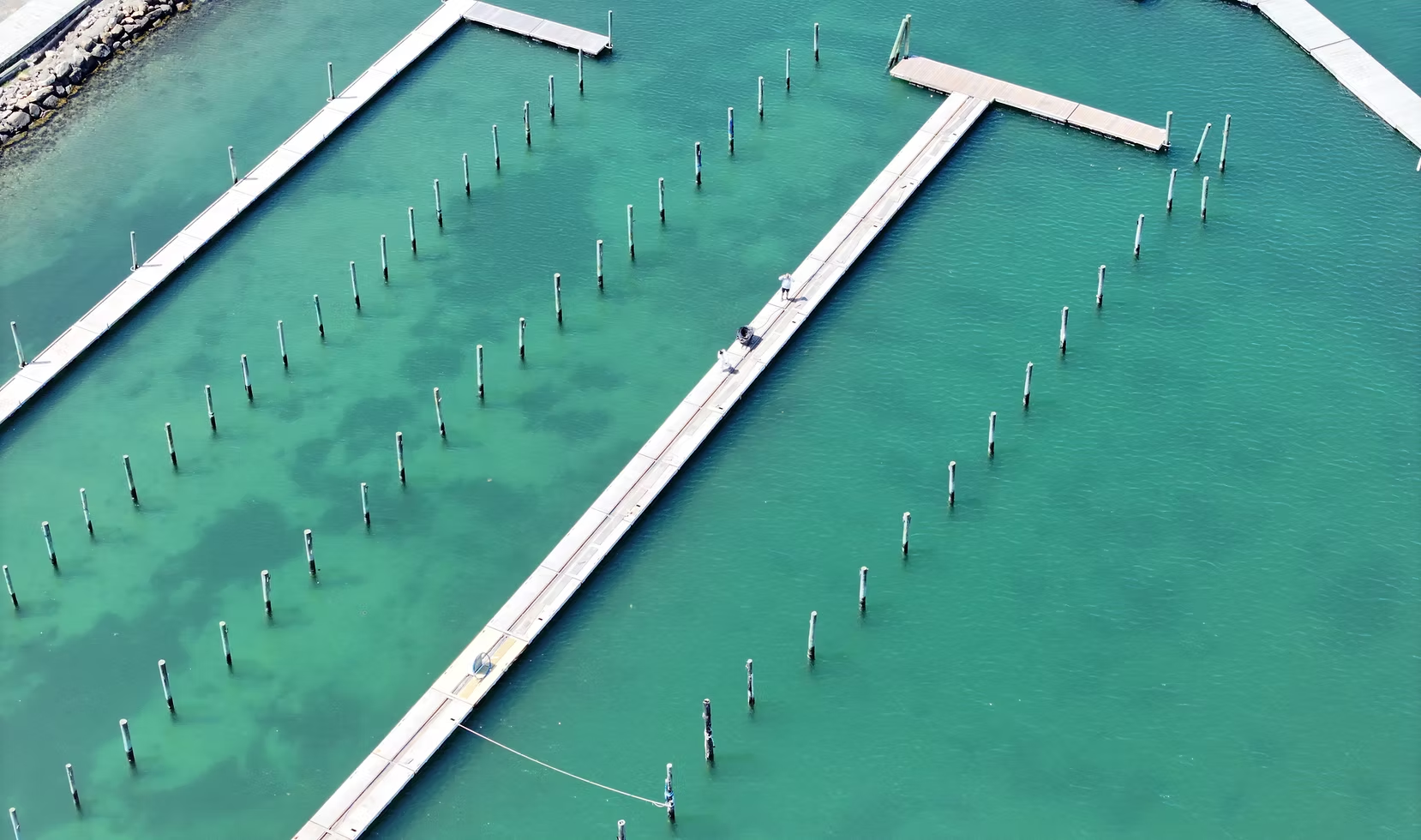
The West Island Marina project is a strong technical example of how elastic dock restraint can be used to upgrade a working coastal marina where the loading environment is more demanding than a typical inland basin. Public project information from Hazelett states that the installation was completed at West Island Marina in Fairhaven, Massachusetts, where Hazelett installed forty-foot docks using DockMaster systems to handle large waves, current, and wind. Hazelett also states that it provided helical anchor installation, design, and project management. That makes the West Island Marina project more than a product supply job. It was a full mooring and dock-performance assignment built around a real coastal load case.
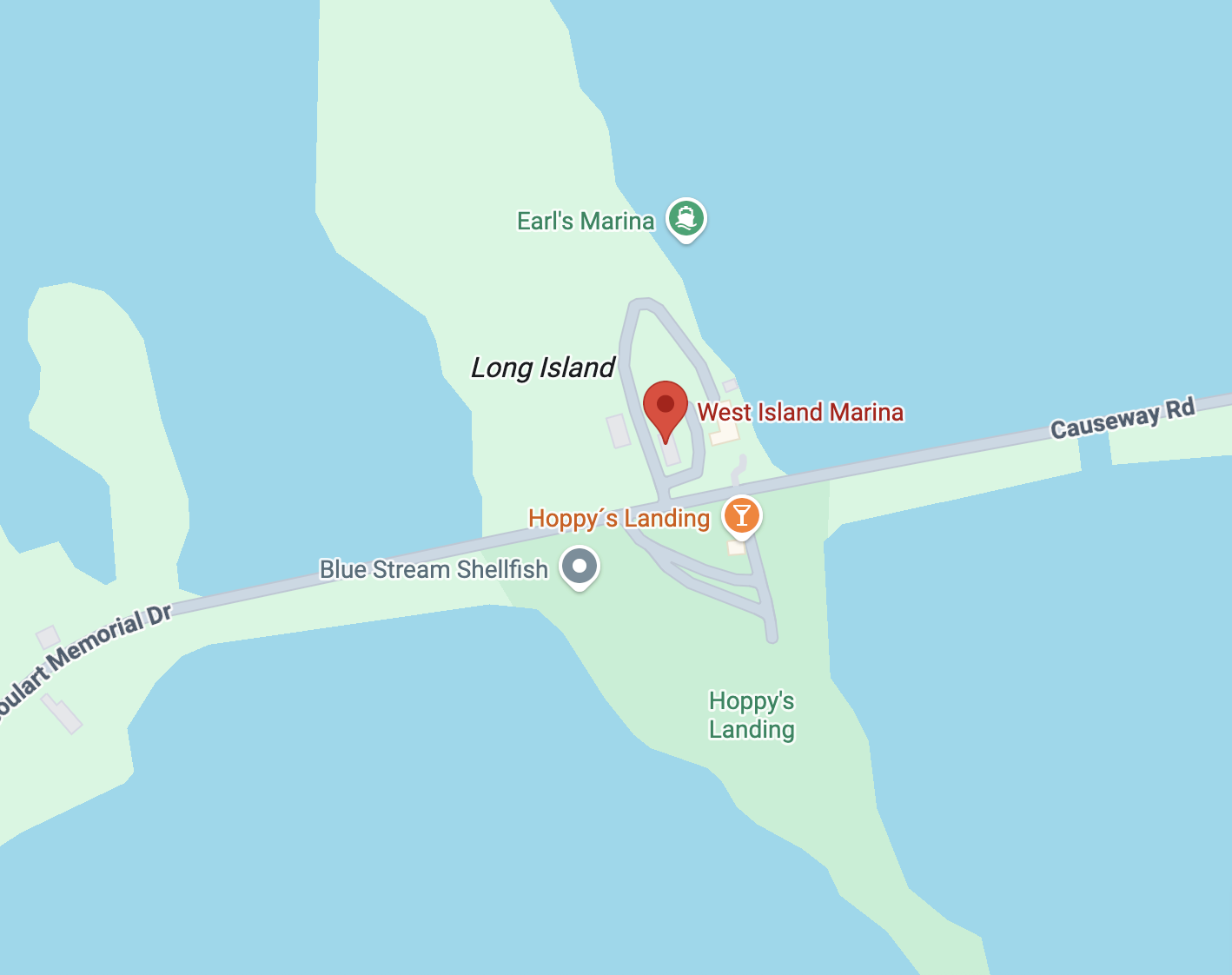
The site context helps explain why this matters. West Island Marina describes itself as being in a well-protected harbor on the leeward side of West Island, while third-party marina listings such as Marinas.com describe a 109-slip facility with 63 protected moorings and floating docks. At the same time, regional conservation and coastal sources such as the Buzzards Bay Coalition describe West Island as sitting in the open waters of Buzzards Bay, in a windswept setting exposed to broad marine conditions. In other words, the marina benefits from local shelter inside its harbor footprint, but it still operates in a larger bay system known for tide, wind, and wave energy. That is exactly the type of environment where dock systems must be engineered for repeated lateral loading, motion control, and long-term wear rather than just static holding strength.
Technically, the West Island Marina project is best understood as a high-load dock installation where motion management was central to performance. Hazelett’s DockMaster system is designed for docks and light wave attenuators and is typically installed under pre-tension so loads stay distributed across the mooring lines rather than concentrating at one windward corner or one chain connection. Hazelett’s published technical data says one DockMaster rode provides 6.5 kN of force at 80 percent stretch, while a 12-rode system can provide 78 kN, and the system can reach 300 kN ultimate break strength when paired with a limit line. Hazelett also notes that chain-anchored docks tensioned at high tide can wander when chains go slack at low tide, then jerk violently as the chain comes taut in rising wind and waves. By contrast, the DockMaster approach keeps the system tensioned from low tide upward, which reduces point loading, produces gentler dock motion, and makes the dock easier to use in rough weather.
That operating logic fits the public facts around West Island Marina. The official marina site lists slip capacity for boats from 13 to 60 feet with up to 20-foot beam, maximum draft of 5 feet, and shore-power and water hookups. Marinas.com also lists minimum approach and channel depths of 5 feet and identifies the marina as a floating-dock facility. For an installation serving vessels in that size range, the dock system has to manage not only environmental loads but also daily vessel movement, boarding comfort, and repeated cyclic forces at utilities, gangways, and dock-to-dock connections. The use of helical anchors is also significant because it suggests a restraint system designed for controlled holding performance without the heavier footprint and handling complexity of large traditional deadweight blocks.
The broader Fairhaven and Buzzards Bay setting reinforces the engineering story. The National Weather Service maintains a dedicated marine forecast zone for Buzzards Bay with separate wind and wave guidance, and NOAA tide infrastructure covers the bay because it is an active tidal coastal environment rather than a sheltered pond. That context supports the client brief that the main challenge was harsh conditions. For Hazelett, the West Island Marina project is a clear case study in using elastic mooring to improve dock stability under combined wind and current loading while reducing the maintenance problems that often follow rigid or poorly tensioned dock restraint systems in exposed coastal marinas.
Project Snapshot
- Hazelett identifies West Island Marina as a Fairhaven, Massachusetts project using forty-foot docks with DockMaster systems.
- Hazelett says the DockMaster systems was selected to handle large waves, current, and wind.
- Hazelett provided helical anchor installation, design, and project management.
- The official marina site lists slip lengths from 13 feet to 60 feet.
- The official marina site lists maximum slip beam at 20 feet and maximum draft at 5 feet.
- Marinas.com describes the marina as a 109-slip facility with 63 protected moorings and floating docks.
- Marinas.com lists 5-foot minimum approach depth, 5-foot channel depth, and 5-foot mean low water dock depth.
Technical and Regional Context
- Hazelett DockMaster rode provides 6.5 kN (1,461 lbs) of force at 80 percent stretch.
- Hazelett 12-rode DockMaster system provides 78 kN (17,532 lbs).
- Hazelett DockMaster systems can be configured from 1 to 12 rodes and in any required length.
- Hazelett states that when paired with a limit line, the DockMaster system can reach 300 kN (67,443 lbs) ultimate break strength.
- Hazelett states that elastic rodes keep docks tensioned through tidal change, reduce point loads, and create gentler dock motion in rough weather.
- The Buzzards Bay Coalition describes West Island as sitting in the open waters of Buzzards Bay and adjacent to windswept salt marshes.
- The National Weather Service provides a dedicated marine forecast for Buzzards Bay with wind and wave guidance, reinforcing that West Island Marina operates in an active coastal weather environment.
Conclusion
The West Island Marina project shows that a high-load dock installation is not only about adding more hardware. It is about selecting a restraint system that stays engaged through tide changes, spreads loads more evenly, and keeps the dock stable when wind, current, and wave action begin working together. In this case, public project information indicates that Hazelett combined forty-foot docks, DockMaster systems, and helical anchor installation to create a more stable marina layout.
For Hazelett, West Island Marina is a persuasive technical project because the public record supports both the environmental challenge and the engineering response. The marina operates in a real coastal harbor with floating docks, moorings, tidal change, and open-bay weather exposure. The DockMaster system addresses those conditions by staying tensioned, reducing point loads, and improving dock motion under load. That makes West Island Marina a strong example of how elastic mooring can reduce maintenance pressure while improving stability in harsh marina environments, supported by product capabilities described in the DockMaster system and additional marina context from the West Island Marina site.

Hazelett Marine is not simply part of elastic mooring history.
We wrote it, and we will continue to advance it.
Speak With Our Engineering Team 1-802-909-0066
We wrote it, and we will continue to advance it.
Speak With Our Engineering Team 1-802-909-0066
Get In Touch
Tell us about your project or challenge and we will follow up promptly to help provide a solution.
Operations: Burlington, VT:
+1 (802) 909 0066